“Marami bang matatanggal?”: FiNAN Seminar Highlights Rights, Retention and Economic Contribution
Filipino nurses in Finland are calling for fair treatment, stronger workplace protections and recognition of their economic contribution as concerns grow over discrimination, contract terminations and job security.
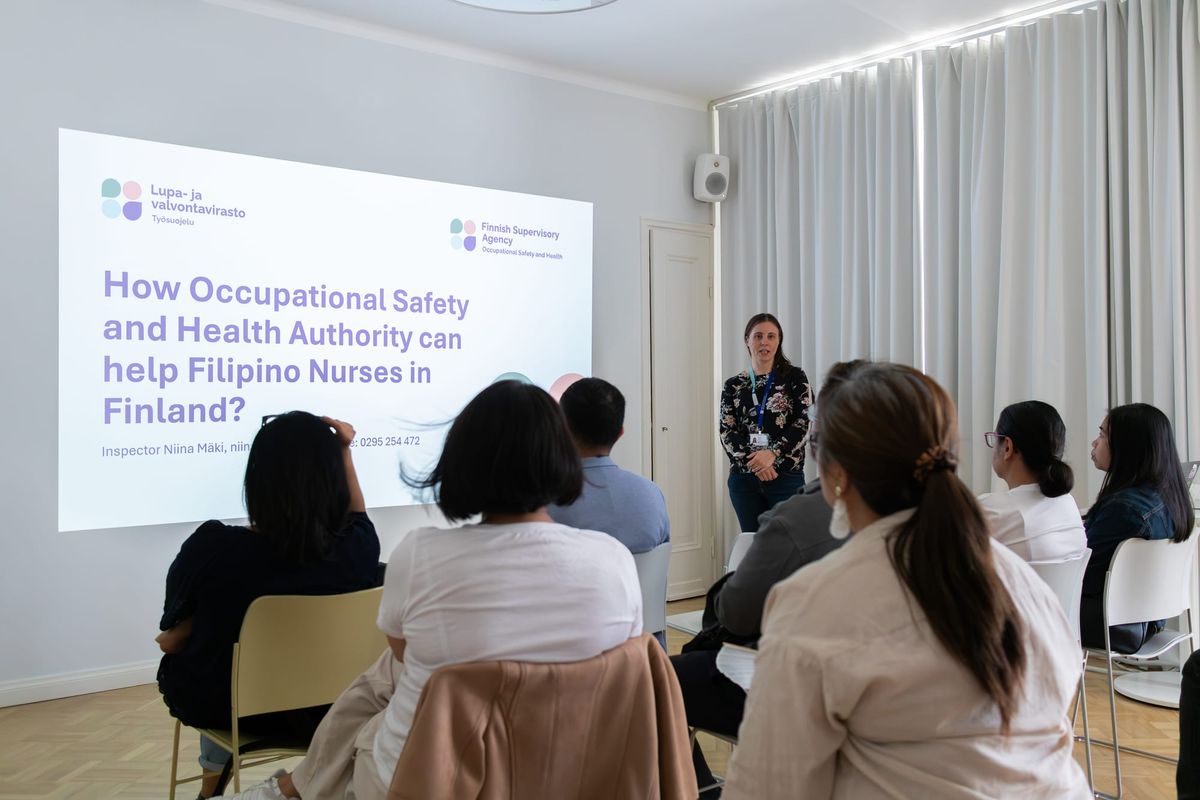
HELSINKI, Finland — September 4, 2026 — Filipino nurses in Finland gathered Friday evening for a seminar organized by the Filipino Nurses Association in the Nordic Region (FiNAN) in cooperation with the Finnish Occupational Safety and Health Supervisory Authority, as concerns over workplace rights, employment security and the future of Filipino healthcare professionals in Finland took center stage.
The seminar provided nurses with practical information on their labour rights, workplace safety, discrimination reporting and the role of Finnish authorities in addressing employment-related concerns. Inspector Niinä Mäki explained the responsibilities of the supervisory authority, including workplace inspections and surprise visits, and discussed reporting procedures and examples of cases handled by the authorities.
The discussion comes amid concerns raised by Filipino nurses who have experienced discrimination, bullying, problems with employment contracts and what they describe as unreasonable termination or non-renewal of contracts.
Another concern is the use of the Finnish language as a reason for ending or not continuing employment. Nurses said that in some cases, employers have not provided sufficiently clear or measurable criteria for what constitutes an adequate level of Finnish language proficiency. This has left some nurses uncertain about what standards they are expected to meet and whether language requirements are being applied consistently and fairly.
For nurses who have invested significant time and resources in moving to Finland and building their careers, the end of an employment contract can have consequences far beyond losing a job.
Some Filipino nurses are now facing the possibility that their contracts will end without concrete plans for continued employment, raising concerns about their residence status and the possibility of having to leave Finland under the country’s revised unemployment-related residence permit rules, commonly referred to as the three-to-six-month rule.
The situation has added urgency to calls for clearer employment practices, fair treatment and better support for international healthcare professionals.
More data needed on Filipino nurses' contribution
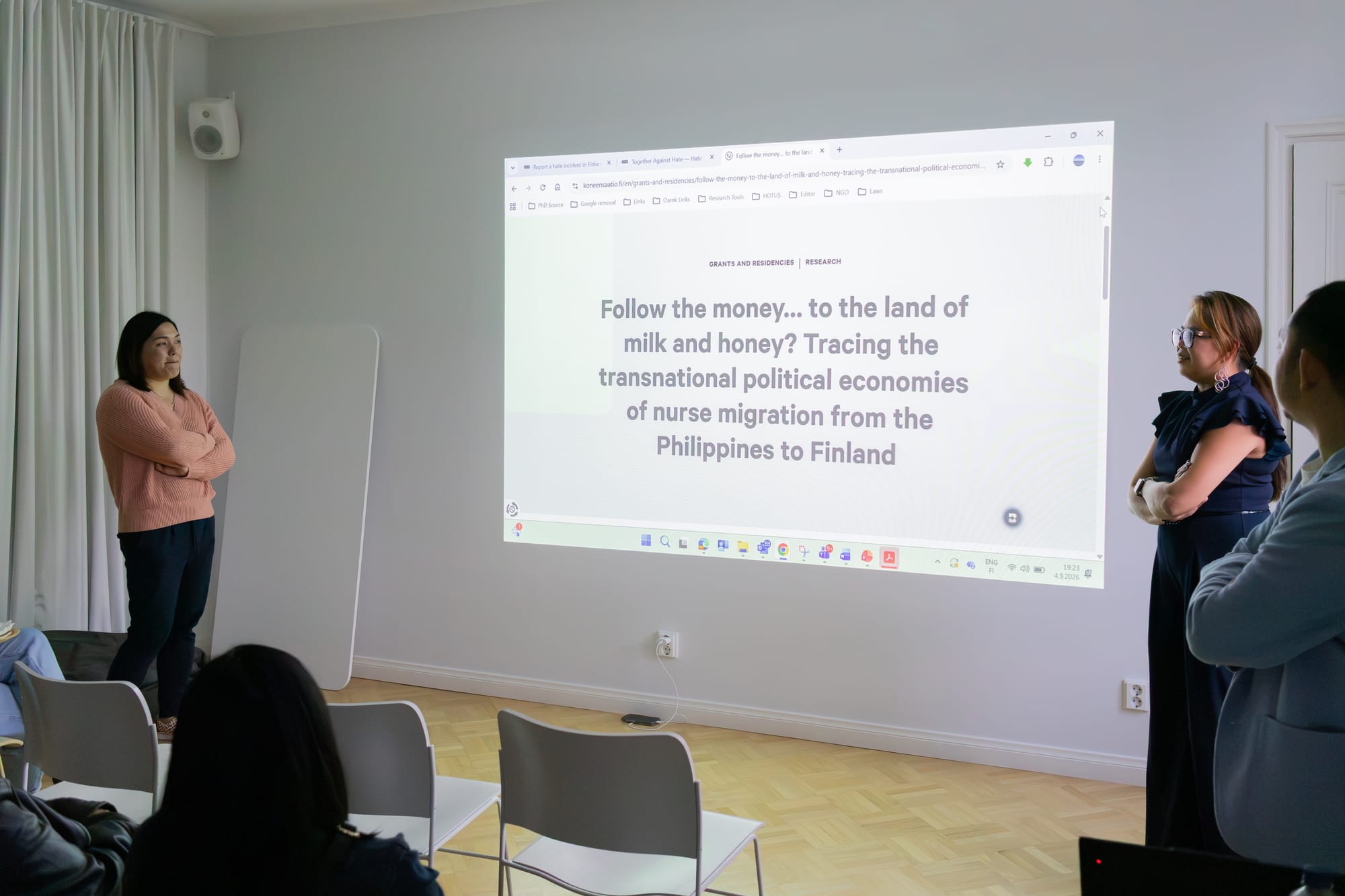
The seminar also highlighted the importance of documenting not only the challenges faced by Filipino nurses, but also their contribution to Finnish society.
The Follow the Money project, funded by the KONE Foundation, was launched to encourage Filipino nurses to participate in research examining their economic contribution to Finland.
Organizers stressed that more data is needed to give policymakers a fuller picture of the value of Filipino nurses, not only as healthcare professionals, but also as workers, taxpayers, consumers and members of Finnish communities.
Better evidence could help policymakers make more informed decisions on retention, recruitment, integration and working conditions, particularly as Finland continues to need skilled healthcare workers.
Information, support and community
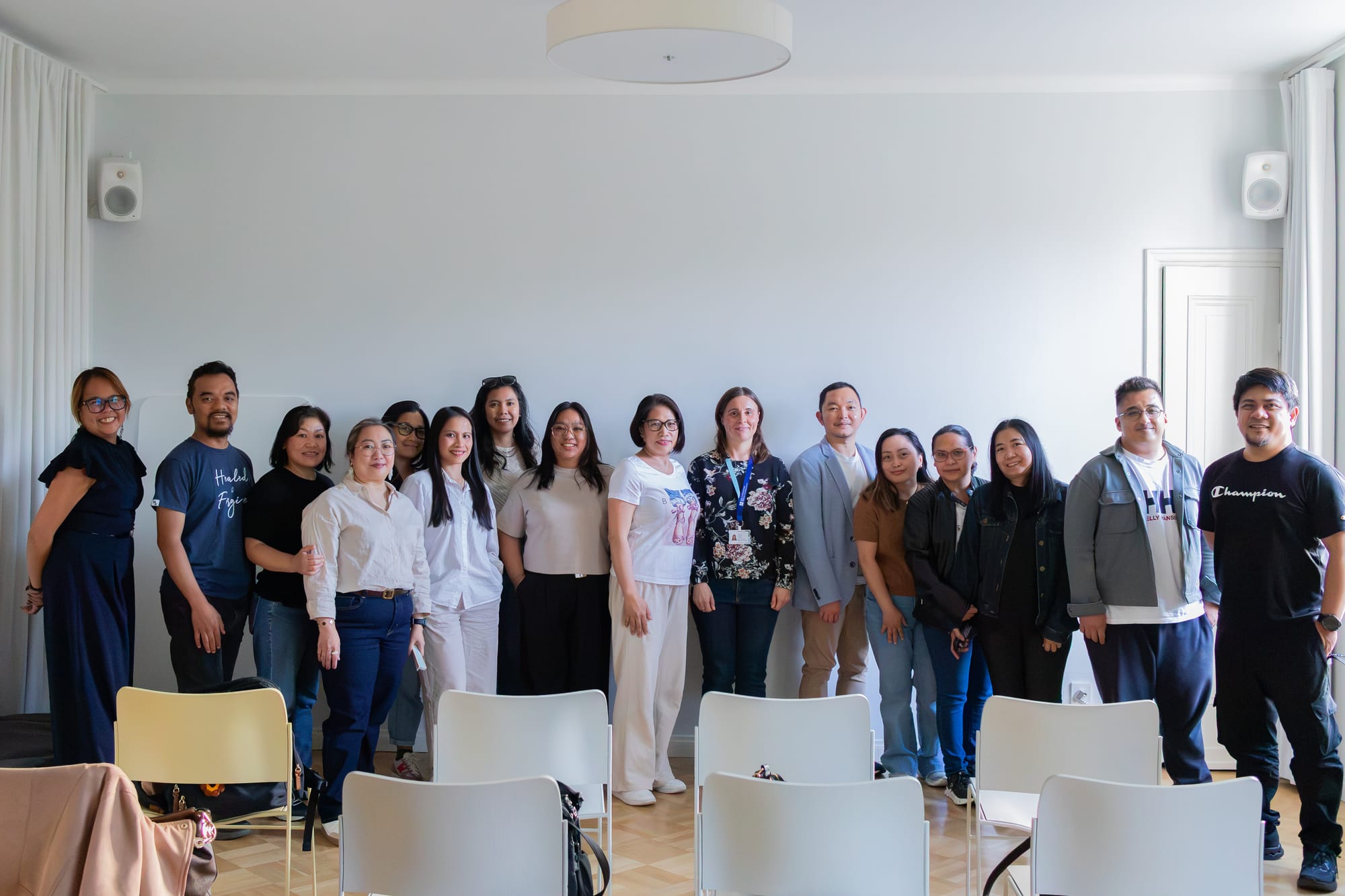
The evening also featured updates on RAISE the BAR, a Finnish Government-funded initiative, including bilingual materials in English and Finnish to make important information more accessible to Filipino nurses.
The gathering was also connected to The Well-being and Rights of Filipino Nurses in Finland (Filippiiniläisten hoitajien hyvinvointi ja oikeudet Suomessa-FILHOVO), supported by a Moniheli ry microgrant. The initiative covers workers’ rights and responsibilities, ethical and professional standards, access to health, social and legal services, mental health and community support.
Participants were also given practical guidance on difficult situations, including employment disputes and loss of employment. Information was provided on the roles of Finnish authorities, non-profit organizations and community networks that can assist during these circumstances.
The community is calling for stronger cooperation to protect their rights, address workplace concerns, recognize their economic contribution and create conditions that allow Filipino nurses to continue building their careers and lives in Finland.