FiNAN & Youth-lead Drive for Climate Initiative
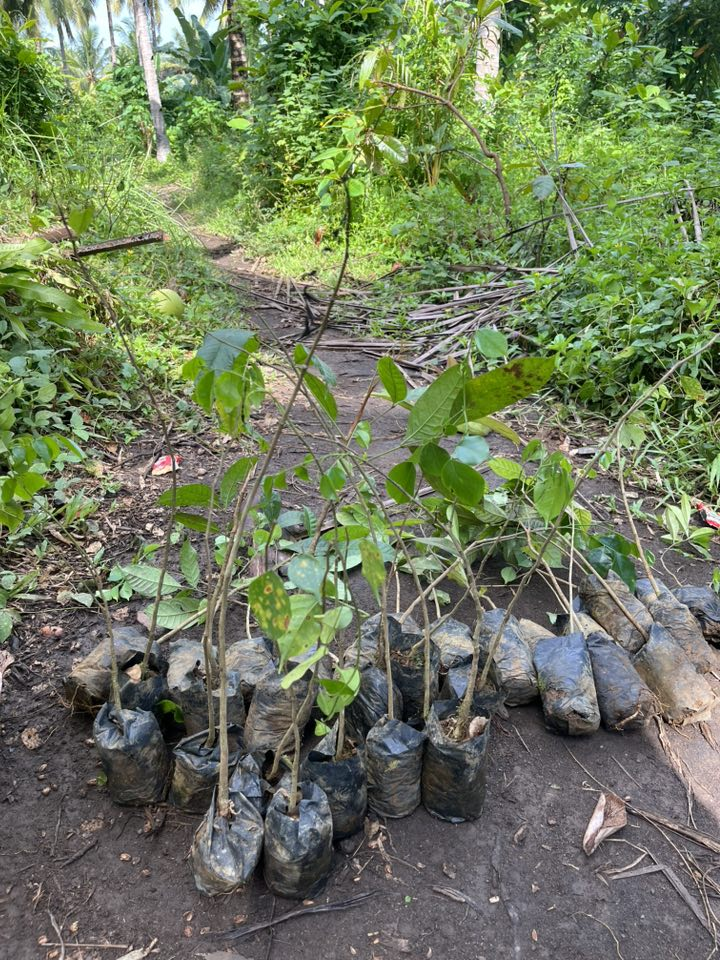
The Filipino Nurses Association in the Nordic Region (FiNAN), in collaboration with the Sangguniang Kabataan (SK) of Barangay Lizada, successfully planted more than 200 trees in 2025.
Filipino Nurses Association in the Nordic Region and Sangguniang Kabataan Lead 200-Tree Planting Drive to Strengthen Climate Action
The Filipino Nurses Association in the Nordic Region (FiNAN), in collaboration with the Sangguniang Kabataan (SK) of Barangay Lizada, successfully planted more than 200 trees as part of a large-scale community environmental campaign aimed at strengthening climate resilience and promoting planetary health.
The initiative is part of FiNAN’s ongoing commitment to advancing climate-conscious leadership among Filipino internationally educated nurses and their communities abroad. It also serves as a tribute to the organization’s active members who remain dedicated to environmental advocacy and community-driven sustainability efforts.
Climate Change: A Persisting Threat to the Philippines
The Philippines remains one of the world’s most climate-vulnerable nations, experiencing yearly typhoons, flooding, and extreme weather events that continue to kill thousands, destroy properties, and disrupt work opportunities. Scientific analyses consistently show that natural disasters pose serious and recurrent threats, resulting in widespread devastation and loss of life, especially in Global South countries like the Philippines.
These realities reflect the necessity of local and diaspora-led environmental interventions such as tree planting, which enhances ecosystem protection, reduces soil erosion, and contributes to long-term climate mitigation.
HEAL Model : Nurses Leading Environmental and Disaster Action
The tree-planting campaign aligns closely with the HEAL Model- Help, Educate, Act, and Lead- a framework articulated in recent disaster-nursing literature highlighting the role of Filipino internationally educated nurses (IENs) in climate mitigation and global health preparedness.
Evidence-based findings from the HEAL Model emphasize that IENs are increasingly vital in:
- Training officials and local stakeholders on climate and disaster preparedness (“Help”)
- Educating communities and peers on environmental health, sustainability, and resilience strategies (“Educate”)
- Acting through direct environmental interventions, such as tree planting and habitat restoration (“Act”)
- Leading policy advocacy and community mobilization to address climate-related vulnerabilities (“Lead”)
These roles highlight the increasing involvement of Filipino nurses in disaster prevention and climate action beyond traditional healthcare boundaries.
Tree Planting as a Community Health Intervention
Research demonstrates that environmental initiatives such as reforestation have direct links to improved community health outcomes. The HEAL Model literature notes that the environmental implications of IEN engagement point toward significant opportunities for climate mitigation and planetary health promotion, especially when nurses collaborate with volunteers and civic youth groups.
Through this initiative, FiNAN members exemplify the “Act” and “Lead” components of the HEAL Model by addressing upstream determinants of health- environmental quality, disaster risk reduction, and ecological stability.
A Model for Global Filipino Leadership
The partnership with SK Barangay Lizada demonstrates how diaspora communities can maintain meaningful connections with Philippine localities, co-create environmental programs, and empower youth leaders. This approach mirrors evidence from disaster-nursing research, which shows that IENs working alongside community volunteers significantly enhance disaster response capacity and climate action outcomes.
FiNAN’s action is an example of how migrant professionals can extend their expertise and influence beyond their host countries, embodying a transnational model of climate-conscious leadership.
Looking Forward
With plans to expand the program in the coming years, FiNAN and SK Barangay Lizada aim to integrate tree-growing monitoring systems, community education workshops, and research-based environmental health activities. Both organizations affirm that safeguarding the planet is not only an environmental obligation but also a moral and professional responsibility aligned with the evolving global role of nurses in disaster risk reduction and climate adaptation.
References
Cubelo, F., Tolosa-Warburg, C., & Perez-Luckmann, K. (2025). Exploring the role of internationally educated nurses in disaster nursing: The HEAL model. Health Emergency and Disaster Nursing, 12(1), 79-83. https://doi.org/10.24298/hedn.2023-0005